Biomes
Published on: October 11, 2007
Biomes: Exploring Earth's Living Landscapes
Biomes are large regions of the Earth defined by their climate, geography, and the plants and animals that call them home. Studying biomes gives children a magnificent window into how life adapts to different conditions — from scorching deserts to frozen tundra, from lush rainforests to open grasslands.
What Makes a Biome?
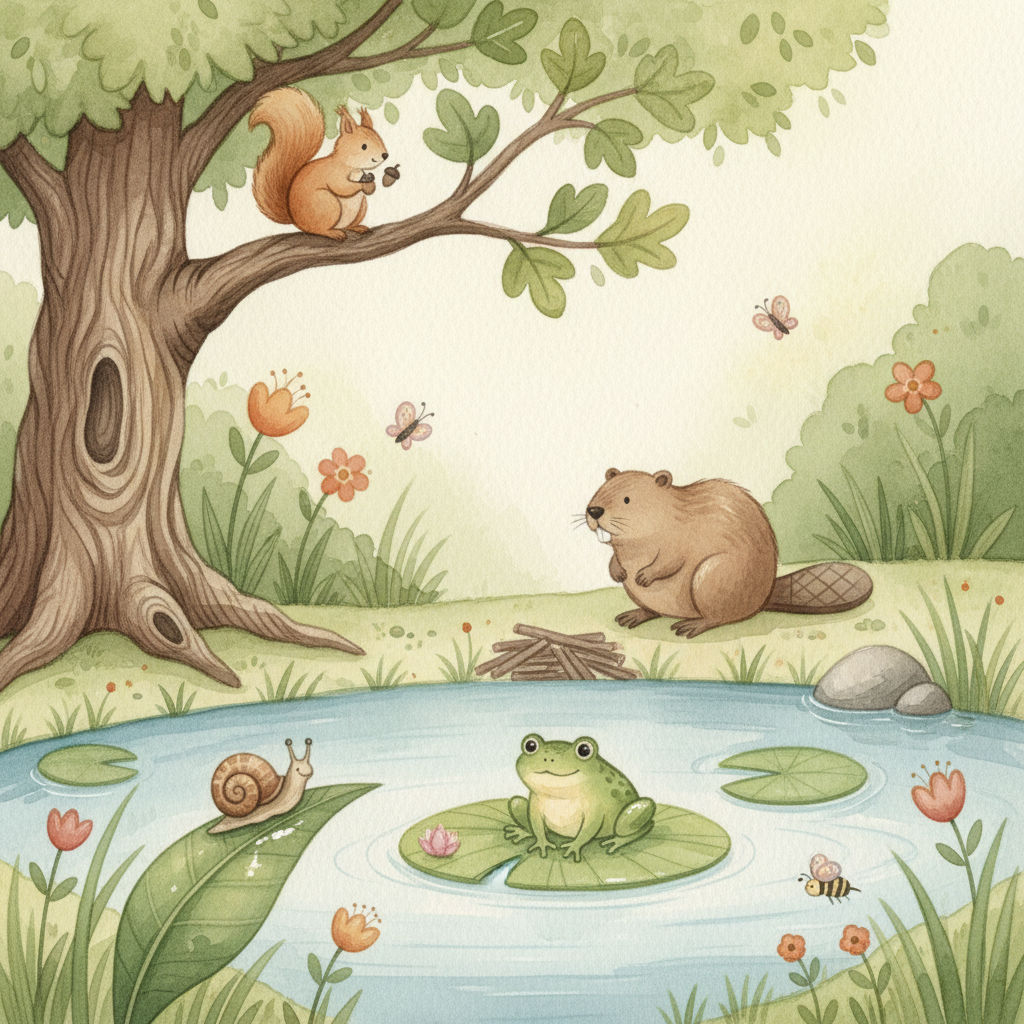
A biome is shaped by three things: location, climate (temperature and rainfall), and landforms (mountains, plains, coastlines). Within each biome are smaller ecosystems — a pond in a forest, a tide pool on the coast — each with its own web of life. What makes a biome unique is, as we like to say, location, location, location.
The Major Biomes
Tropical Rainforest
Warm and wet year-round, rainforests contain more species than any other biome. Children are fascinated by the layered canopy, colorful birds, and towering trees. This is a wonderful biome to pair with the Earth Day and Folk Art lesson.
Desert
Deserts receive fewer than 10 inches of rain per year. Children love learning how cacti store water, how sidewinder snakes move on hot sand, and how desert animals are active at night to escape the heat.
Grassland (Savanna and Prairie)
Vast open spaces with rich soil, grasslands support grazing animals like bison, zebras, and antelope. Grasslands connect beautifully to our Continental Drift lesson — children can explore how the same grassland biome appears on different continents.
Temperate Forest
Four distinct seasons, deciduous trees that change color, and familiar animals like deer and owls make this biome especially relatable for children in North America and Europe.
Taiga (Boreal Forest)
Cold winters, short summers, and vast stretches of coniferous trees. The taiga is the world's largest land biome and a wonderful study in animal adaptation.
Tundra and the Polar Ice
At the very top and bottom of the world lie Earth's coldest biomes. The tundra is a treeless land of frozen soil (permafrost) where mosses, lichens, and low wildflowers bloom in a brief summer. Hardy animals like caribou, musk oxen, arctic foxes, and snowy owls make their home here — children are always amazed that anything can live in such conditions.
Beyond the tundra lie the polar regions themselves, and it helps children to know that the two poles are quite different. The Arctic, around the North Pole, is a frozen ocean ringed by land — home to polar bears, seals, and walruses. The Antarctic, around the South Pole, is a frozen continent capped by thick ice, where penguins gather. Ask your child: how do animals stay warm here? Thick blubber, dense fur, and huddling together are wonderful first lessons in adaptation.
This is a perfect place to slow down over words like iceberg, glacier, and ice floe. Our Winter Weather lesson explores the Arctic with a three-period vocabulary lesson, and the free Arctic & Tundra Cards below are made for exactly this.
Aquatic Biomes
Freshwater (lakes, rivers, wetlands) and marine (oceans, coral reefs) biomes cover more than 70% of Earth's surface. Our Land & Water Forms lesson is a perfect companion.
Can Biomes Change?
Yes! Biomes shift over time due to climate change, human activity, and natural events. Forests can become deserts; wetlands can dry up. This is an important conversation to have with older children, connecting ecology to stewardship.
Studying Biomes at Home
- Start with your own biome. Walk outside and observe: What plants grow here? What animals visit? What is the weather like across seasons?
- Make a biome diorama. Use a shoebox, paint, and natural materials to create a miniature biome.
- Sort animal cards by biome. Print or purchase animal cards and have your child sort them into the correct biome.
- Read and compare. Use a globe or our Map Skills lesson to locate each biome on Earth.
Free Biome & Geography Printouts
Download these free Montessori-style printouts to bring biomes to life at home or in the classroom. Print on cardstock, cut apart, and use for matching, sorting, and three-period lessons:
- Geography Nomenclature Cards (Set 1) — landforms and biome vocabulary cards.
- Geography Nomenclature Cards (Set 2) — more terrain and ecosystem terms.
- Arctic & Tundra Cards — a closer look at one of Earth's most extreme biomes.
Recommended Materials
- Animals in Their Habitats — Biome Sorting Boards — Children sort 48 illustrated animal pieces onto six biome boards (polar, ocean, grassland, pond, rainforest, and desert) — a hands-on way to match animals to where they live.
- Geography Ecosystems Poster Set (6 Large Charts) — Big, colorful biome and ecosystem wall posters for a classroom or homeschool space.